Your First Toolbox: Essential Budget-Friendly Tools for Renters & New Homeowners
Disclosure: This post contains affiliate links. If you make a purchase through these links, I may earn a small commission at no extra cost to you.
Fixing things around the house or assembling new furniture can feel daunting, especially if you're new to homeownership or just moved into a rental. But here's a secret: you don't need a huge, expensive workshop full of specialized gadgets to handle most common household tasks. With just a handful of versatile, budget-friendly tools, you can confidently tackle everything from hanging a picture frame to tightening a loose cabinet handle, or even assembling that flat-pack furniture. My favorite type of screwdriver sets come with multiple bits, making them super versatile for various screws.
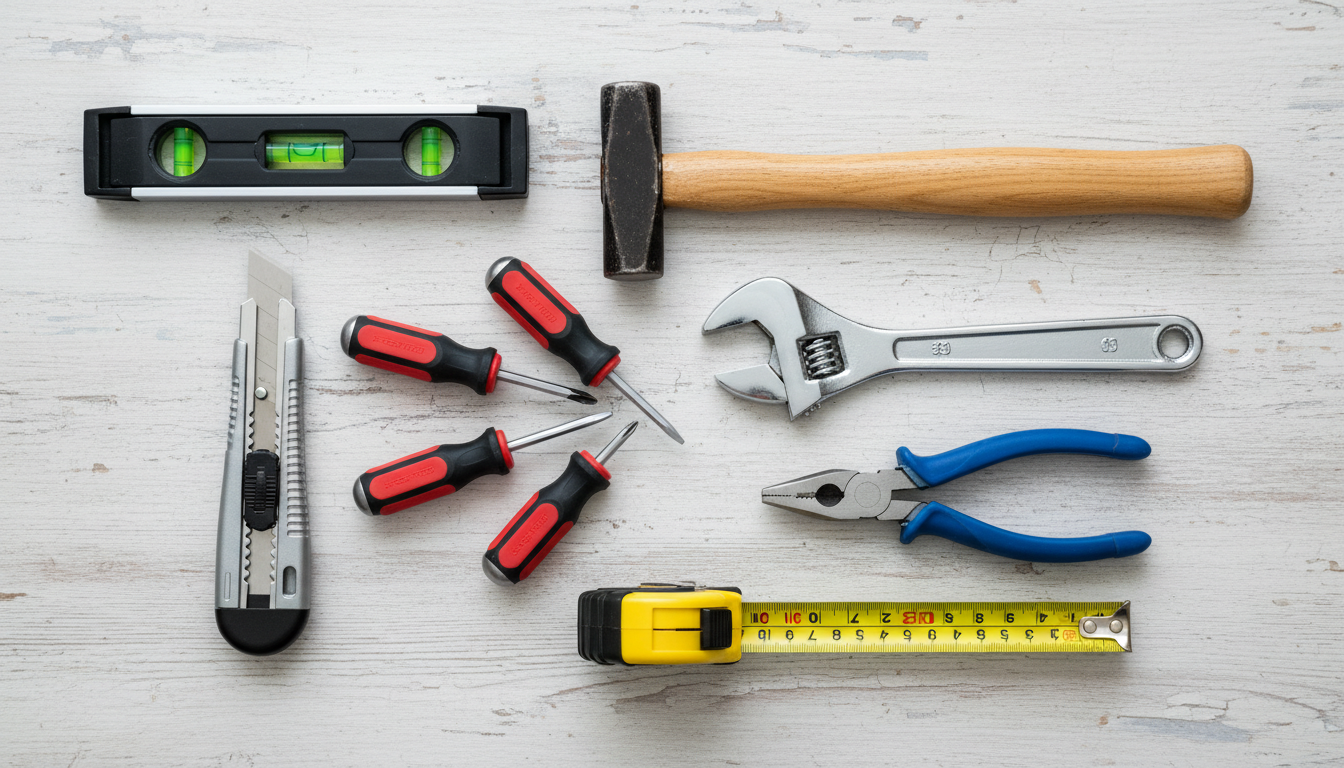
For this guide, I would start by comparing Basic Screwdriver Set, keeping Adjustable Wrench on your shortlist, and adding Hammer if it fits your routine.
As someone who loves a good DIY project (and saving money!), I'm here to tell you that a well-equipped basic toolbox is one of the smartest investments you can make for your home and your peace of mind, all without breaking the bank. Let's build your essential toolkit!
Why a Basic Tool Kit is a Smart Investment (Even on a Budget)
Having a few key tools on hand isn't just about saving money on professional help (though that's a huge bonus!). It's about empowering yourself to handle small issues before they become big problems, personalizing your living space, and feeling capable. Think of all the times you've wanted to hang a picture, tighten a wobbly chair, or assemble new furniture – with this kit, you'll be ready for it all.
The Essential Tools for Your Budget-Friendly Toolbox
1. The Mighty Screwdriver Set
A good set of screwdrivers with both Phillips and flathead options (and ideally a few smaller precision ones) is the bedrock of any toolkit. You'll use them for everything from assembling furniture to opening battery compartments and tightening loose screws.
Pros:
- Handles most common fasteners around the house.
- Essential for furniture assembly and small repairs.
- Very versatile; many sets come with interchangeable bits.
Cons:
- Specific sizes might be needed for very unique screws (though rare for general use).
- Cheap sets can strip easily if not good quality.
2. The Versatile Adjustable Wrench
For assembling furniture or handling minor plumbing fixes, an adjustable wrench is a non-negotiable must-have. It replaces a whole set of fixed wrenches by adapting to various nut and bolt sizes.
Pros:
- Replaces multiple fixed wrenches, saving space and money.
- Great for tightening nuts, bolts, and minor plumbing adjustments.
- Easy to use with a simple adjustment mechanism.
Cons:
- Can strip fasteners if not properly sized or used with excessive force.
- Not suitable for heavy-duty torque applications.
3. The Classic Hammer
You don't need a heavy-duty framing hammer. A standard claw hammer is perfect for hanging pictures, light demolition tasks, and gently tapping things into place. The claw end is invaluable for removing nails when you need to.
Pros:
- Indispensable for hanging decor, light demolition, and securing nails.
- Claw end is perfect for removing unwanted nails.
- Simple, durable, and lasts forever.
Cons:
- Can damage surfaces if not used carefully or with protective padding.
- Not ideal for precision work where a mallet might be better.
4. A Handy Pair of Pliers
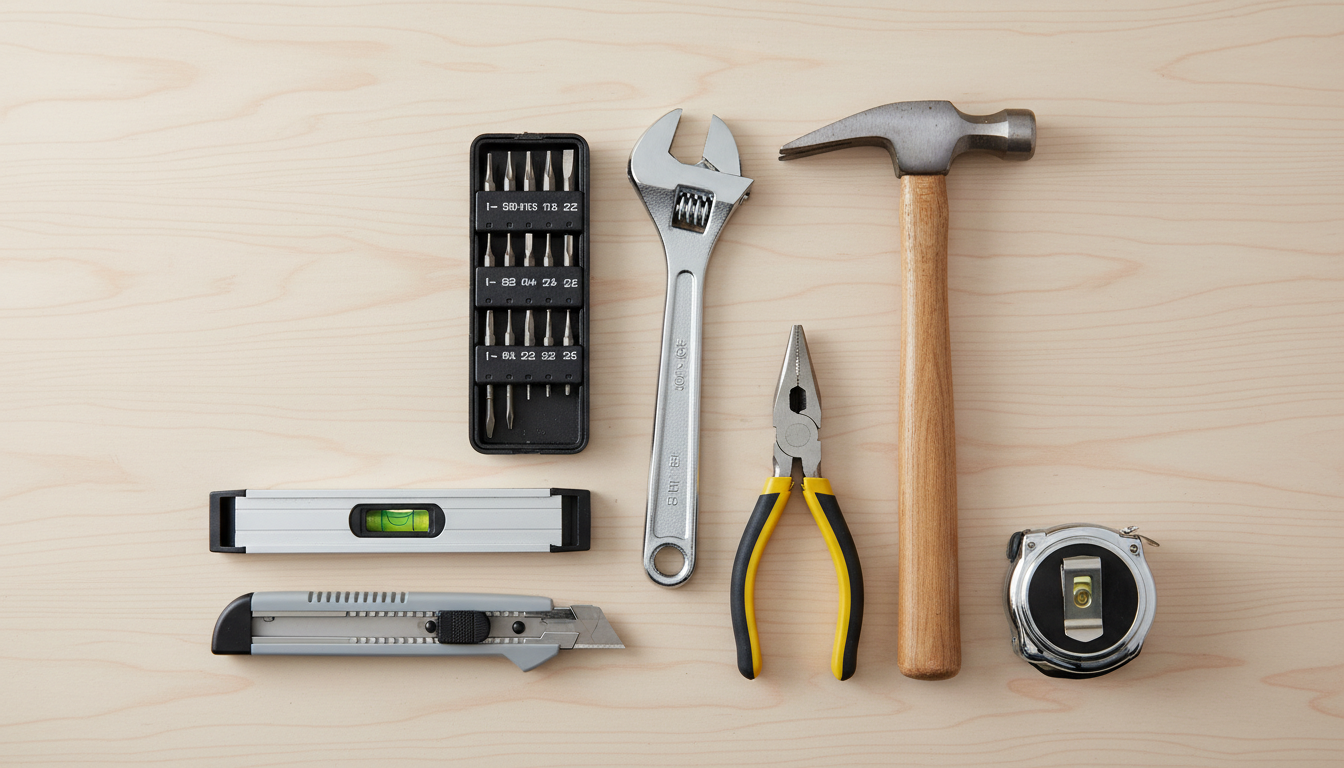
A combination of needle-nose and slip-joint pliers will serve you well. Needle-nose are great for delicate tasks, bending wire, or reaching into tight spaces, while slip-joint pliers offer a stronger grip for holding and turning.
Pros:
- Excellent for gripping, bending, cutting wires, and holding small objects.
- Needle-nose reach into tight spaces; slip-joint offer versatile grip.
- Useful in many scenarios from crafts to minor repairs.
Cons:
- Can mar or scratch surfaces if not used carefully.
- Not designed for high-torque turning like a wrench.
5. The Indispensable Tape Measure
From measuring for new furniture to ensuring curtains fit perfectly, a sturdy tape measure is used more often than you think. Look for one with a locking mechanism and clear markings.
Pros:
- Crucial for accurate measurements in any home project or purchase.
- Helps ensure things fit, are centered, and look proportionate.
- Lightweight and portable.
Cons:
- Flimsy or cheap tape measures can bend easily, leading to inaccurate readings.
- Can be awkward to use for very long, unsupported measurements alone.
6. Your Go-To Utility Knife
Also known as a box cutter, this tool is incredibly handy for opening packages, cutting cardboard, trimming loose threads, or even scoring materials. Always use with caution and retract the blade when not in use.
Pros:
- Excellent for opening boxes, cutting tough materials, and trimming.
- Blades are easily replaceable for constant sharpness.
- Compact and easy to store.
Cons:
- Extremely sharp; requires careful handling to prevent injury.
- Blades can dull quickly with heavy use.
7. Get Things Straight with a Level
Nothing makes a room look better (or worse) than how straight your wall decor is. A small, simple level is essential for ensuring pictures, shelves, and art are perfectly aligned. And for making sure things are perfectly aligned, a simple level is a game-changer for hanging shelves or art.
Pros:
- Ensures that hung items, shelves, and appliances are perfectly straight.
- Prevents crooked decor that can detract from your home's aesthetic.
- Easy to use and relatively inexpensive.
Cons:
- Small levels might be less accurate for very large surfaces.
- Can be easily misplaced if not stored properly.
8. Keep It All Together: A Basic Tool Bag or Box
Once you have your essential tools, you need a way to keep them organized, protected, and easily accessible. A simple tool bag or a small plastic toolbox is perfect for this. It prevents tools from getting lost and makes it easy to grab your kit for any task.
Pros:
- Keeps all your essential tools organized in one place.
- Protects tools from damage and prevents loss.
- Makes your toolkit portable for tasks around the house or helping friends.
Cons:
- Can get heavy if you accumulate too many tools.
- Cheaper options might lack durability or sufficient compartments.
My Top Tips for Building Your Starter Toolbox
- Start with the Essentials: Don't feel pressured to buy everything at once. Focus on the core tools listed above, and add more as specific projects arise.
- Look for Multi-Packs: Sometimes you can find screwdriver or pliers sets that offer better value than buying individual pieces. Just ensure the quality is decent.
- Prioritize Quality Where It Counts: For items like screwdrivers, a slightly better quality set will prevent stripping and last much longer. You don't need top-tier, but avoid the absolute cheapest.
- Don't Forget Safety: For more involved tasks, consider adding work gloves or safety glasses to your kit. For basic tasks, common sense and careful handling are key.
- Shop Sales: Keep an eye out for seasonal sales or discounts at hardware stores. You can often snag good deals on individual tools or starter kits.
Ready to Tackle Those DIY Projects?
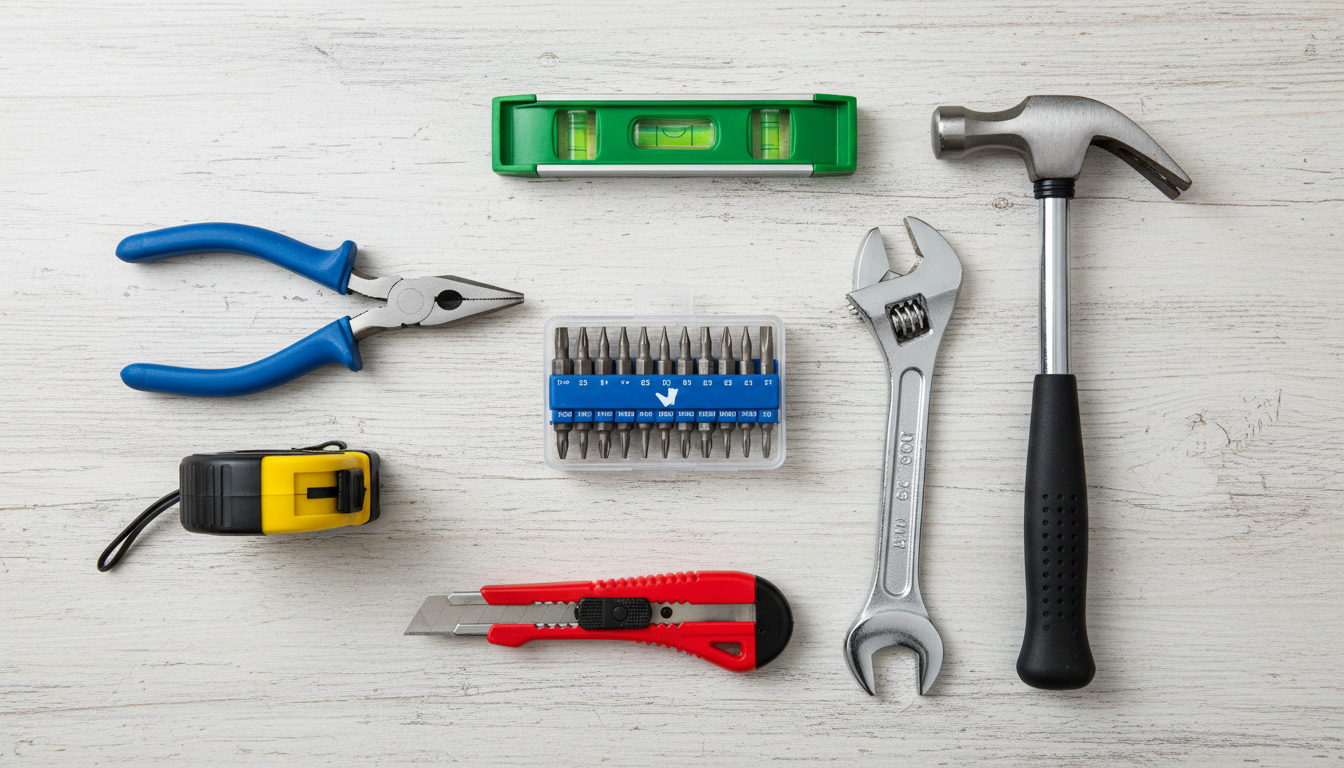
Building your own basic tool kit is an empowering step towards greater independence in your home. With these budget-friendly essentials, you'll be well-equipped to handle everyday fixes and tackle small projects with confidence. No more waiting for help or spending extra money on simple tasks! Happy fixing!